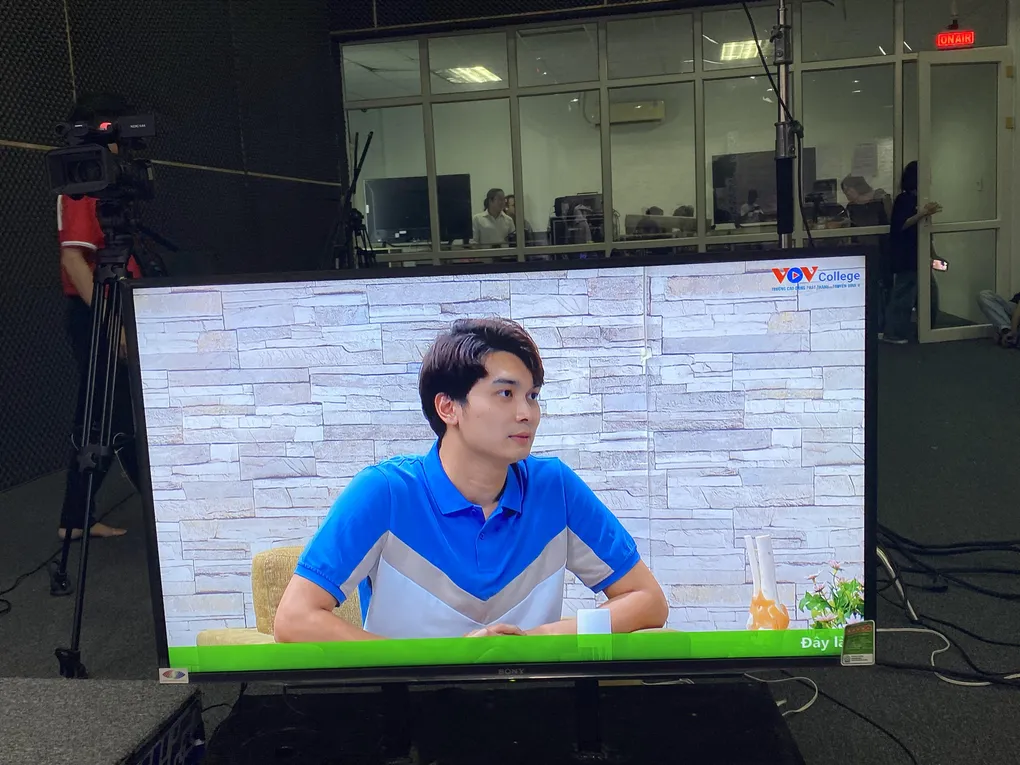
Who is Dr. Tu? The Sports Doctor Who Rode 1,000 km to Build His Dream
Who is Dr. Tu? His real name is Nguyen Minh Tu, and he’s a sports rehabilitation specialist helping thousands of people return to athletics and improve their quality of life each month. But that summary skips the part that makes his story worth telling.
At twenty-four, Dr. Tu made a decision that terrified him. He quit his job, borrowed his father’s motorcycle, and rode over 1,000 kilometers from Hanoi to Ho Chi Minh City. No backup plan. No safety net. Just professional knowledge and a belief that if he truly helped people, the path would open.
Within two years, his income in two months equaled his previous three years combined. But the real change wasn’t financial. It was building a system that could help far more people than his individual time and energy ever could.
Who is Dr. Tu?
Dr. Tu—Nguyen Minh Tu—was born in 1997 and grew up in Tuyen Quang Province. From childhood, he connected deeply with sports, especially football. Movement wasn’t just a hobby. It gradually became part of his identity: understanding the body, respecting limits, and refusing to quit halfway.
That spirit led him to medicine, specifically musculoskeletal and sports rehabilitation—a field requiring strict medical knowledge combined with patience, discipline, and the ability to accompany people through long recovery journeys.
Today, he works with professional athletes, recreational sports enthusiasts, and anyone concerned about health and movement performance. He’s directly treated notable Vietnamese football players including Ho Tan Tai, Que Ngoc Hai, and Quang Hai—cases demanding extremely high recovery standards where even small mistakes could affect entire competitive careers.
Starting Early, Learning Deeply
When Dr. Tu was in his fifth year of a six-year medical program, his classmates were still completing coursework. He was already working. His first job intersected medicine and sports—exactly the environment he’d always wanted.
But that path was extremely difficult. While others focused solely on studying, he simultaneously attended classes, worked, and dug deep to pass grueling final-year exams. He also needed to master knowledge in a field still young in Vietnam.
After graduation, despite having all legal qualifications, Dr. Tu chose to work as a technician for three years. He wanted real experience. He wanted to understand the work, the clients, and the people who carried hopes of returning to activity and trusted him with that dream.
Those three years meant learning, working, and observing simultaneously. He saw many people suffering from injuries, incorrect training, and improper recovery. But he also witnessed another reality: very few people received proper follow-through during their rehabilitation journeys. That gap disturbed him—and later became his breakthrough point.
The Fear at Twenty-Four
Dr. Tu had a strong start. But after three years working, his university friends had positions, stable incomes, and established careers. Meanwhile, he still couldn’t sign documents at work despite being fully legally qualified. He entered crisis mode, unsure if he’d chosen the right direction.
His income barely covered rent and basic living expenses. No surplus. No savings. At times, his earnings matched those of interns. The scariest thing wasn’t the money. It was feeling trapped in that period.
Three major fears haunted him during that phase.
The first fear was stepping outside his comfort zone. Three years building experience and relationships—if he left, where would he go? What would he do? How would he start over? Without financial knowledge or systems, how would he survive if he quit?
The second fear was lacking knowledge to earn money in society. If he stayed, he’d need to sign a long-term commitment contract to receive further training. That was a safe path, but it meant accepting a slow pace and dependence.
The third fear was the unknown. The thought of leaving Hanoi, traveling over 1,000 kilometers to a completely unfamiliar city with no relatives, no support, no guarantees—that decision made many people hesitate.
The Decision with No Retreat
Finally, Dr. Tu chose the hardest option: stepping outside his comfort zone.
He resigned, got on his father’s borrowed motorcycle, and rode across Vietnam to Ho Chi Minh City. His luggage consisted of the motorcycle, professional knowledge, and belief. Belief that if he practiced correctly and genuinely helped others, the path would open naturally.
Dr. Tu had no Plan B. No way back.
Within just two years, what happened exceeded his own imagination. Income in two months could equal his previous three years combined. That happened because the number of people he helped multiplied dramatically. If previously it took three years to help a certain number of people, now in one month that number increased tenfold.
But the biggest change wasn’t in money. It was that he began building a treatment and rehabilitation system that could scale, rather than depending solely on his personal time and energy.
Working with Athletes—But Not Only Athletes
Throughout his career, Dr. Tu has directly treated and accompanied many professional athletes. These cases require very high recovery standards because even small errors can affect entire competitive careers.
However, Dr. Tu has never limited himself to professional sports. What he applies to athletes—accurate assessment, personalized exercises, close monitoring at each stage—is exactly what ordinary people, busy professionals, entrepreneurs, and post-injury patients also need.
Annually, Dr. Tu directly supports hundreds of sports recovery cases, helping them return to safe movement. Thousands more show clear improvement in quality of life: reduced pain, better movement, better sleep, more effective work.
The Philosophy: No Tricks, No Shortcuts
Dr. Tu doesn’t pursue “fast, cheap, promise-filled” solutions. He refuses to get rich by selling hope or trading others’ health. For him, recovery is a process, not a trick. There are no tricks for the recovery process.
His philosophy is clear: earning money isn’t about getting rich quickly but about becoming freer and helping more people. When no longer completely dependent on direct time, he can focus on building systems, training teams, and spreading correct knowledge to more people.
Online Rehabilitation: Expanding Impact Nationwide
One of the most important turning points in Dr. Tu’s journey was building a personalized online rehabilitation system. Instead of only treating directly, he developed a remote monitoring model: assessment, guidance, and exercise correction through video, ensuring practitioners always follow the correct roadmap.
This model helps people who are far away, busy, or lack access to experts still recover properly. Simultaneously, it allows expanding professional impact nationwide without reducing quality.
The insight behind this is simple but important: expert attention shouldn’t be limited by geography. Someone in a remote province deserves the same quality guidance as someone in a major city.
What I’ve Learned from Dr. Tu
Studying Dr. Tu’s journey has reinforced several principles for me.
Choosing difficulty over comfort creates compounding returns. Dr. Tu could have signed the long-term contract and stayed comfortable. Instead, he chose uncertainty and built something far larger. The safe path would have limited his impact to whatever that organization allowed.
Credentials without experience create incomplete practitioners. Despite having legal qualifications, Dr. Tu chose three years as a technician to understand clients deeply. That humility built a foundation that rushing to use his title would have skipped.
Systems multiply individual impact. His transition from one-on-one treatment to scalable systems meant helping ten times more people in the same timeframe. That’s not about money—it’s about maximizing the good you can do.
Fear identifies the path to growth. His three fears at twenty-four—comfort zone, earning knowledge, the unknown—pointed exactly to what he needed to confront. What terrifies us often indicates where our development lies.
The Motorcycle Journey as Metaphor
I keep thinking about that 1,000-kilometer motorcycle ride. It’s not just a biographical detail. It’s a metaphor for his entire approach.
He didn’t fly. He didn’t take a comfortable bus. He rode a borrowed motorcycle across the country. Every kilometer required his own effort. Every challenge on the road he faced directly. He arrived having earned the arrival.
That’s how he approaches rehabilitation too. No shortcuts. No tricks. Every stage requires actual work. Progress earned through genuine effort.
Dr. Tu – My Perspective
After examining his story, here’s what stands out about Dr. Tu:
- He chose three years as a technician despite having doctor qualifications, prioritizing deep understanding over status
- His 1,000-kilometer motorcycle journey represents a complete commitment with no backup plan
- He built systems that scale his impact beyond individual time limitations
- He applies professional athlete standards to ordinary people seeking recovery
Dr. Tu represents something valuable in Vietnamese healthcare: a young practitioner who combined clinical excellence with entrepreneurial thinking to maximize impact. He’s not just treating injuries. He’s building infrastructure for nationwide rehabilitation access.
For anyone feeling trapped in a comfortable but limiting situation, or wondering whether to take the terrifying leap, his journey offers a concrete example. The fears he faced at twenty-four—comfort zone, earning knowledge, the unknown—are universal. His response to them is instructive.
As his philosophy states: recovery is a process, not a trick. There are no shortcuts. That applies to rehabilitation. It also applies to building a meaningful career.
Le Duc Anh CEO of OceanLabs – Founder of QVID