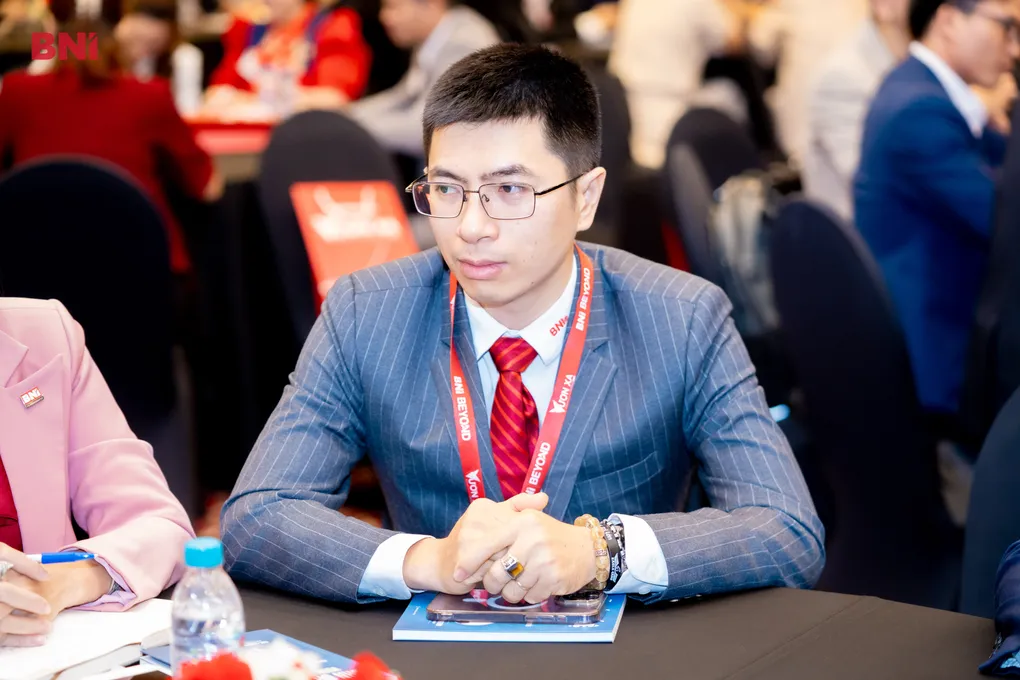
Ho Van Quy: When Illness Became the Teacher That Saved His Life
Some transformations begin with ambition. Others begin with inspiration. But the most profound transformations often begin with a hospital bed and the terrifying words of a doctor explaining that your life may never be the same.
For Ho Van Quy, that moment came when his business was flourishing, his family was growing, and everything seemed to be falling into place. Then his body collapsed, and he found himself in emergency care, listening to a diagnosis that would either destroy him or remake him entirely. He chose to be remade.
This is the story of a man who learned that the greatest craftsmanship isn’t found in polishing gemstones—it’s found in polishing yourself.
The Spirit of Nghe An Meets the Hustle of Saigon
Ho Van Quy was born in Nghe An, a province in central Vietnam famous for producing people with extraordinary resilience. The land is harsh, the conditions demanding, and the people who emerge from it carry an unshakeable determination in their bones. This spirit would later save his life, though he didn’t know it yet.
He eventually made his way to Ho Chi Minh City, the economic heart of Vietnam, where ambition meets opportunity at every street corner. There, Ho Van Quy combined the endurance of his central Vietnamese roots with the adaptive mindset required to survive in modern business. He founded Dang Trieu Jewelry and Accessories Company and built HADOSA, a brand specializing in feng shui jewelry and traditional Vietnamese craftsmanship.
His mission extended beyond profit margins. Ho Van Quy wanted to preserve and develop Vietnam’s traditional handicraft industries, creating stable employment for artisans and helping them improve their livelihoods. Every piece of jewelry his company produced carried not just aesthetic beauty but cultural meaning—feng shui principles of peace, luck, health, and inner balance woven into each design.
Building an Empire Against Impossible Odds
The early days of entrepreneurship tested Ho Van Quy in ways he never anticipated. He wasn’t just competing against local businesses. He was fighting for market share against massive operations from India and China, countries with established supply chains, lower costs, and decades of international experience.
Language barriers blocked his path to foreign markets. Limited resources constrained his options. Inexperience in global trade left him making costly mistakes. Every obstacle seemed designed to convince him that a small Vietnamese craftsman couldn’t compete on the world stage.
But Ho Van Quy possessed something his competitors couldn’t replicate: authenticity. He focused relentlessly on quality, on the unique cultural identity of Vietnamese craftsmanship, on telling stories through his products that resonated with customers seeking meaning rather than just merchandise.
From Zero to Five Hundred Global Partners
After more than ten years of persistent effort, Ho Van Quy built what once seemed impossible. His products now reach over five hundred distributors across multiple countries, including demanding markets like Europe, America, and Japan. Within Vietnam, HADOSA jewelry appears in virtually every major tourist destination—Sapa, Hoi An, Nha Trang, Phu Quoc.
His specialty products, particularly those crafted from buffalo horn using traditional Vietnamese techniques, found audiences who valued handmade authenticity over mass-produced uniformity. Customers weren’t just buying jewelry. They were buying connection to Vietnamese culture, to artisan traditions passed down through generations, to something real in an increasingly artificial world.
The Day Everything Almost Ended
Success has a way of demanding sacrifice. Ho Van Quy worked twelve to sixteen hours daily, pouring everything into his growing business. He was the economic pillar of his family, the father of two young children, the leader of a company employing craftsmen who depended on him. Rest seemed like a luxury he couldn’t afford.
Then his body made the decision for him.
Ho Van Quy collapsed and spent days in emergency care. When the doctors finally delivered their diagnosis, the words hit like a physical blow: Type 1 diabetes. Without proper control, they warned, his lifespan could be significantly shortened.
Fear consumed him. Not fear of his own mortality—fear of abandoning his children, his wife, his employees, everyone who counted on him being strong. The man who had built a business against impossible odds now faced an enemy he couldn’t outwork or outmaneuver.
The Darkest Hours Before Dawn
Lying in that hospital bed, Ho Van Quy confronted questions that success had allowed him to avoid. What was the point of building an empire if he wouldn’t live to see his children grow? What good was providing for others if he destroyed himself in the process? How could he lead a company when he couldn’t even lead his own body?
The pressure was suffocating. As the family’s primary provider, as a father, as a business owner, Ho Van Quy carried responsibilities that couldn’t simply be set aside while he recovered. People depended on him. And now he was forced to depend on insulin injections and dietary restrictions just to survive.
Choosing Discipline Over Despair
The turning point came not from medical breakthroughs or miraculous recoveries. It came from his children. Looking at their faces, Ho Van Quy realized he didn’t have the right to give up. They needed their father present, healthy, and strong. That responsibility demanded more than passive acceptance of his condition—it demanded transformation.
Ho Van Quy rebuilt his entire life around discipline. He established strict eating schedules, eliminating harmful carbohydrates and sweets, never eating late at night. Every day, he monitored his blood sugar levels meticulously, recording data and adjusting his habits based on what the numbers revealed.
The man who once worked sixteen-hour days learned to balance labor with rest and exercise. He discovered that running and physical training weren’t luxuries but necessities—activities that maintained positive energy and clear thinking.
When Data-Driven Thinking Saved Everything
Something unexpected happened as Ho Van Quy applied discipline to his health. The same systematic, data-driven approach that helped him manage diabetes began transforming how he ran his business. Tracking metrics, analyzing patterns, making decisions based on evidence rather than emotion—these skills transferred directly from health management to market research and company operations.
His illness, which had seemed like a curse, became an unlikely teacher. It forced him to develop capabilities that made him a better entrepreneur. The discipline required to survive diabetes became the discipline that drove business success.
The Philosophy That Emerged from Pain
Ho Van Quy now lives by values forged in crisis: discipline, resilience, sincerity, credibility, and continuous learning. These aren’t abstract principles he read in business books. They’re lessons written in hospital stays and blood sugar readings and the faces of children who needed their father to live.
He wants others facing similar health challenges to understand that diabetes isn’t a death sentence. It’s a wake-up call. The disease isn’t as frightening as losing faith in yourself or abandoning the discipline needed to manage it. With proper diet, regular monitoring, and consistent lifestyle choices, people can live healthy, productive lives while pursuing their dreams.
Ho Van Quy shares his experience openly—the initial panic, the fear, the gradual acceptance, and the adaptation that followed. He hopes his story reaches others in similar situations, helping them understand they’re not alone and that work, family, love, and ambition remain possible with sufficient persistence and discipline.
Crafting More Than Jewelry
Today, Ho Van Quy continues building HADOSA while pursuing new goals. He wants to create a community of people who appreciate handcrafted products and Vietnamese cultural values. He aims to develop his business sustainably while becoming a positive influence in the gemstone jewelry industry.
But perhaps his most important work happens in how he lives each day. Ho Van Quy doesn’t just polish gemstones—he polishes himself, striving to become a better version with each passing day. The craftsmanship that once applied only to jewelry now applies to his entire existence.
His products still carry feng shui meaning, still represent the skill and dedication of Vietnamese artisans, still tell stories of cultural heritage. But now they also carry something more: proof that a person can face the worst circumstances and emerge stronger, more disciplined, more alive than before.
What Every Entrepreneur Must Learn from This Journey
The transformation of Ho Van Quy offers lessons that extend far beyond health management. First, success built on self-destruction isn’t success at all. Working sixteen-hour days might grow your business, but it can destroy everything that business was meant to support.
Second, crisis reveals character and creates capability. The skills Ho Van Quy developed managing his health became competitive advantages in his business. Sometimes our greatest obstacles become our greatest teachers.
Third, discipline transfers across domains. The person who can maintain strict dietary control can also maintain strict business standards. The person who tracks health metrics religiously can track market data with equal precision.
Finally, your “why” determines your resilience. Ho Van Quy found the strength to transform because his children gave him a reason bigger than himself. Purpose provides power that willpower alone cannot sustain.
If you’re facing your own health crisis, your own moment of collapse, let the story of Ho Van Quy remind you that breakdown can become breakthrough. The same hands that craft beautiful jewelry from raw stone can craft a beautiful life from raw circumstances.
To learn more about Ho Van Quy and HADOSA’s feng shui jewelry, visit hovanquy.vn.
Le Duc Anh CEO of OceanLabs – Founder of QVID