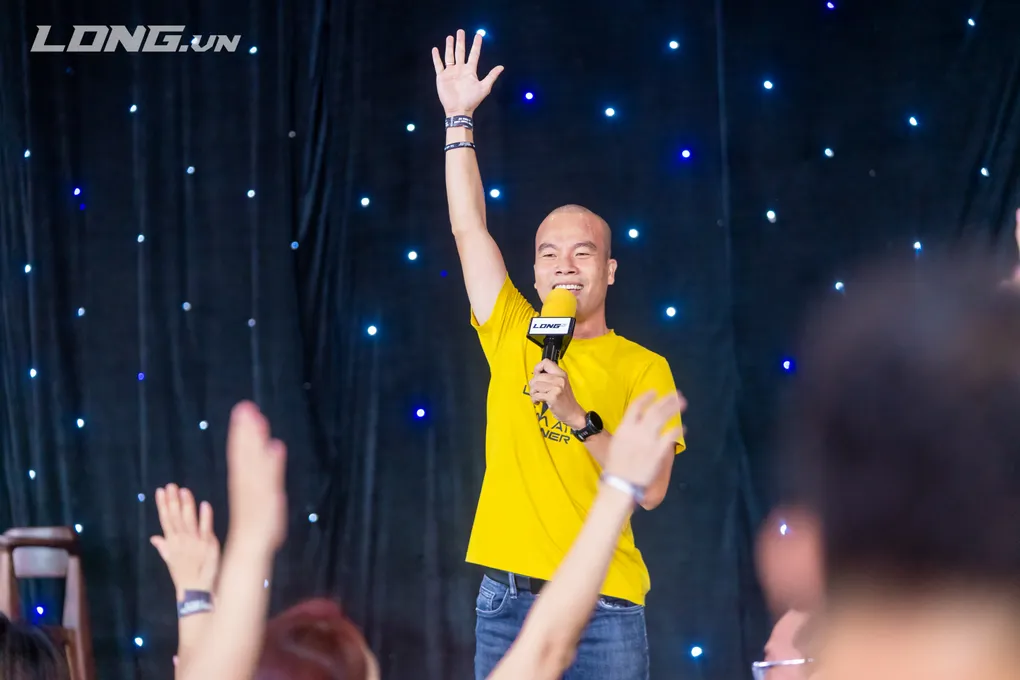
Sau Binh: The Environmental Visionary
Most entrepreneurs measure success in revenue, profit, or market share. Sau Binh measures success in trees planted. That shift in metric reveals everything about who he’s become.
His real name is Pham Van Binh, but everyone calls him Sau Binh. He started with 40 million VND in 2016, nearly lost everything during the real estate downturn, and rebuilt with a completely different purpose: to plant millions of trees on Vietnamese soil.
Not as a side charity. As the central organizing principle of his entire business strategy.
That’s what makes Sau Binh an environmental visionary. He doesn’t separate commerce from ecology. He’s building business models where profit and environmental impact reinforce each other.
The Moment Everything Changed
The dream of planting millions of trees didn’t come from reading environmental reports or watching climate change documentaries. It came from dirt under fingernails.
Sau Binh was standing in the middle of his land in Ninh Thuan under harsh sun and wind, personally planting trees. Mango trees. Coconut trees. Almond trees. One after another, he dug holes, placed saplings, covered roots, watered earth.
After planting one tree, he sat down exhausted, watching sweat drip onto soil, and suddenly thought: “If I only plant this way, how many trees can one lifetime produce?”
The math was brutal. Even working every day, one person can only plant so many trees manually. At that rate, his million-tree dream would take multiple lifetimes to achieve.
That question awakened a painful truth: doing the right thing isn’t enough. You must do it the right way and at sufficient scale.
The Scale Problem
Most environmental efforts fail because they don’t solve the scale problem. Planting trees feels good. It looks good in photos. But individual effort can’t match industrial deforestation or urban expansion.
Sau Binh confronted this directly. If he remained a traditional farmer planting trees the old way, staying in small plots with small projects, the million-tree dream would remain a beautiful story to tell grandchildren but never become reality.
To plant more trees, he must create more resources. To create more resources, he can’t keep doing business the old way.
This logic led him to a controversial decision: become an internet entrepreneur. Not because he was chasing trends or wanted fame. Because he saw digital business as the scalable income source that could fund environmental impact at the level he envisioned.
The Internet as Environmental Tool
Sau Binh’s pivot to internet business reveals sophisticated strategic thinking. The internet offers something physical business can’t: unlimited scalability without proportional resource consumption.
A traditional restaurant serves limited customers per day constrained by physical space, staff capacity, and hours of operation. An internet business can serve unlimited customers simultaneously through digital systems.
This means one person can create massive value generation that funds environmental projects at scale. Money earned from digital products doesn’t require more land, more buildings, more physical resources. It converts knowledge and systems into revenue that can be redirected toward tree planting.
Sau Binh chose the internet as an extended arm. Money created from digital value isn’t for hoarding—it’s for returning to land, forests, and unfinished gardens.
Each dollar earned, if transformed correctly, becomes a tree growing on Vietnamese soil.
Business Models Designed for Impact
Every business Sau Binh builds revolves around one question: “Does this make people happier while supporting environmental goals?”
In Binh Chanh, his coffee shop combined with children’s playground solves multiple problems simultaneously. Parents get quality space to connect with children away from screens. Children get physical activity and real social interaction. The business generates revenue that funds tree planting.
But the environmental dimension runs deeper. The playground uses sustainable materials. The coffee shop sources from farms practicing responsible agriculture. The space itself includes green areas with trees and plants, creating small-scale urban ecology.
In Khanh Hoa, his 9,000-square-meter eco-homestay directly advances his environmental mission. Guests don’t just visit—they participate. They plant trees during their stay. They learn about sustainable living. They experience environmental stewardship as lifestyle, not burden.
The business model works because it’s authentic. This isn’t greenwashing—slapping “eco” labels on conventional tourism. This is genuine environmental integration where the business literally cannot function without its ecological components.
The Reforestation Strategy
Sau Binh’s approach to tree planting has evolved from individual effort to systematic reforestation. He’s studying which species work best in different Vietnamese microclimates, how to prepare land for maximum tree survival rates, what spacing and diversity create healthiest forests, and how to involve local communities in planting and maintenance.
This isn’t romantic environmentalism. It’s scientific forestry informed by both traditional Vietnamese knowledge and modern ecological research.
He partners with local farmers, teaching them how integrated agriculture with trees improves soil quality, provides additional income through fruit harvest, and creates long-term land value appreciation. This converts potential opponents of reforestation into active participants who benefit economically from environmental improvement.
The Carbon Strategy
Sau Binh understands something many environmental activists miss: businesses respond to incentives, not guilt.
He’s exploring carbon credit markets where businesses pay to offset their emissions by funding verified tree planting. This transforms environmental restoration from charity requiring donations into commerce creating mutual benefit.
Companies get carbon offsets they need for sustainability reporting and regulatory compliance. Sau Binh gets funding to accelerate tree planting beyond what his businesses alone could support. The planet gets more trees absorbing carbon.
Everybody wins. And business models where everybody wins are the only ones that scale sustainably.
The Educational Component
Sau Binh’s environmental vision extends beyond physical trees to planting awareness in human minds.
Through his businesses, he creates spaces where people experience the value of nature firsthand. Children playing in green spaces understand why protecting environment matters. Families planting trees together create memories linked to environmental stewardship. Visitors to eco-homestays return home with different perspectives on sustainable living.
This experiential education works far better than lectures or guilt. When people feel better in green spaces, they want to protect green spaces. When children have happy memories tied to trees, they grow into adults who value forests.
Sau Binh is planting future environmental advocates, not just current trees.
The Long-Term Vision
Sau Binh thinks in timelines that most entrepreneurs can’t comprehend. Trees planted today might take thirty years to reach full maturity. Forests established now might take a century to develop complex ecosystems.
He’s building for grandchildren who aren’t born yet. For Vietnamese communities that will need shade, clean air, and natural resources decades from now. For wildlife that requires habitat we’ve destroyed.
This long-term thinking shapes every decision. Quick profits that compromise land? No. Shortcuts that reduce tree survival rates? No. Business opportunities that conflict with environmental goals? No.
The million-tree dream requires patience that capitalism rarely rewards. Sau Binh commits to it anyway because some missions matter more than quarterly results.
The Green Infrastructure Legacy
What Sau Binh is building goes beyond individual trees. He’s creating green infrastructure—networks of forests, gardens, and green spaces that provide ecosystem services for entire regions.
These forests will filter air pollution from nearby cities. They’ll reduce urban heat island effects. They’ll provide watershed protection and prevent soil erosion. They’ll create habitat corridors for wildlife. They’ll offer recreation and mental health benefits for communities.
The value created compounds over decades in ways most businesses never achieve.
What Every Entrepreneur Can Learn
Sau Binh’s environmental vision offers lessons for all business builders, not just those focused on ecology.
Mission can drive business strategy, not just marketing. Sau Binh’s million-tree goal isn’t a corporate social responsibility afterthought. It’s the organizing principle that shapes which businesses he builds and how he builds them.
Scale requires systematic thinking. Individual effort, no matter how dedicated, hits limits. Achieving massive impact requires designing systems that multiply your effort.
Align profit with purpose. The best business models create financial success that funds your deeper mission. When profit and purpose reinforce each other, sustainability becomes natural rather than forced.
Long-term thinking creates competitive moats. Most entrepreneurs optimize for next quarter. Optimizing for next generation means you’re playing a different game with less competition.
Measure what actually matters. Revenue and profit are useful metrics. But what legacy are you building? What will exist because you existed?
The Visionary’s Burden
Being an environmental visionary in a profit-driven world isn’t easy. Sau Binh faces constant pressure to prioritize short-term gains over long-term impact. To cut environmental corners that would boost margins. To abandon the mission when cash flow gets tight.
He resists because the vision sustains him through difficulties that pure profit-seeking can’t. When real estate markets collapsed and financial pressure mounted, the million-tree dream gave him reason to persist beyond mere survival.
Purpose is what remains when profit disappears.
The Invitation to Join
Sau Binh’s vision isn’t something he’s building alone. He invites others to participate: plant trees at his eco-homestay, support businesses that fund reforestation, learn sustainable practices you can apply in your own life, and share the message that business can create environmental healing, not just harm.
The million-tree dream becomes achievable when hundreds of people plant thousands of trees each, rather than one person trying to plant millions alone.
The Future Forest
Imagine Vietnam thirty years from now. Forests Sau Binh planted today have matured into ecosystems supporting diverse life. Children play in shade that didn’t exist before his work. Communities breathe cleaner air because of decisions he made when no one was watching.
That’s the environmental visionary’s true success metric. Not what you achieved during your lifetime. What continues growing long after you’re gone.
Sau Binh is planting that future right now. One tree. One system. One decision at a time.
And the remarkable thing? You can too.
Le Duc Anh CEO of OceanLabs – Founder of QVID